Building inspection cost in Australia is one of the first and most critical questions strata committees, building managers, and consultants ask when concerns about safety, compliance, or asset value arise. A poorly scoped or inadequate inspection doesn’t just create uncertainty — it can trigger major financial exposure, legal risk, and long-term cost blowouts. When you’re responsible for other people’s money, clarity at this stage is not optional.
This article explains how building inspection cost in Australia is calculated, what genuinely influences pricing across states and cities, and how to approach inspections as a strategic investment rather than a short-term expense. Most importantly, it shows how a Scaffold-Free™ and AIMMS™-driven inspection delivers certainty, transparency, and long-term value — which means for you fewer surprises, defensible decisions, and genuine peace of mind.
Why Building Inspection Costs Cause So Much Anxiety
After understanding how inspection costs are framed and what’s at stake financially, it’s important to acknowledge the emotional reality behind these decisions.
Before cost becomes a line item, it becomes an emotional pressure point.
For most strata committees, a building inspection is not routine maintenance — it’s the start of a high-stakes decision-making process. One report can influence special levies, remediation scopes, and millions of dollars in future expenditure.
Common concerns we hear every week include:
- “How much does a building inspection cost — and what if it opens the door to even more costs?”
- “How do we know the inspection is thorough and not just a box‑ticking exercise?”
- “Are we paying for objective facts, or someone else’s agenda?”
These concerns are justified. Traditional inspection methods often rely on limited access, assumptions, or indirect observation. That uncertainty is what turns an inspection from reassurance into financial anxiety.
A modern inspection must do more than identify defects. It must provide certainty, transparency, and a defensible basis for decisions — which means for you confidence when presenting findings to owners, managers, and consultants.
What Is the Average Building Inspection Cost in Australia?
As a quick, indicative reference only, building inspection cost in Australia commonly falls within the following broad ranges:
- Low-rise or small strata buildings: from the low thousands
- Mid-rise or complex strata buildings: mid to high thousands depending on access and scope
- High-rise or difficult-access buildings: higher investment due to specialist access and detailed reporting
These ranges are indicative only and should never be taken as fixed pricing, as building-specific factors significantly influence final costs.
When people search for building inspection cost Australia or how much does a building inspection cost, they are usually met with broad ranges. That’s because there is no single fixed price — and any figure without context can be misleading.
As a high-level guide only:
- Smaller, low-rise building inspections may start from several thousand dollars
- Medium-rise and complex strata buildings sit higher, depending on access and scope
- High-rise, difficult-access buildings require specialist methods and detailed reporting, which increases inspection cost
These figures are indicative, not definitive. The true cost of building inspection is not just the fee — it’s the quality, accuracy, and usefulness of the information you receive.
A lower-priced inspection that misses defects or underestimates scope often leads to:
- Inaccurate budgets
- Repeat inspections
- Disputes with contractors
- Escalating remediation costs later
An accurate inspection, done properly the first time, reduces total lifecycle costs — which means for you fewer special levies and stronger long-term value.
Key Factors That Influence Building Inspection Costs
Building Height and Complexity
The height, façade design, and construction era of a building significantly affect building inspection costs. High-rise and architecturally complex structures require specialist access and experienced inspection teams.
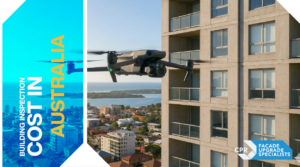
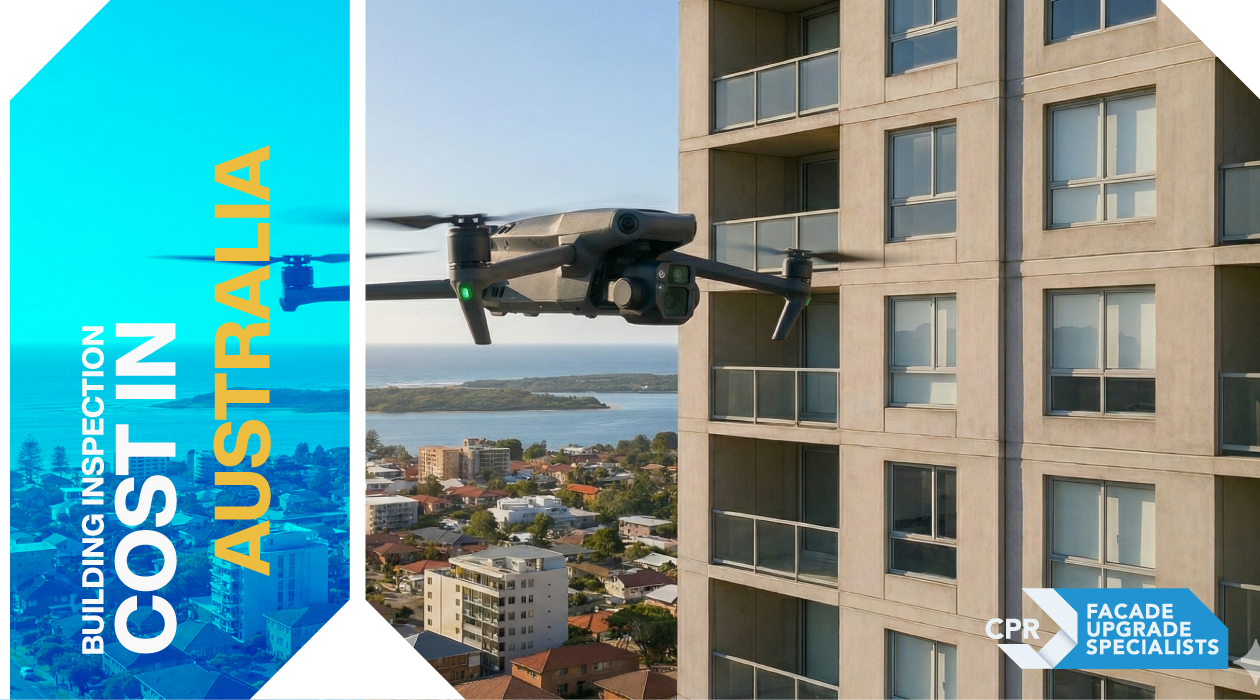
Traditional methods often rely on scaffolding or visual-only assessments from the ground, which limits accuracy. Scaffold-Free™ inspections allow close-up access without erecting expensive temporary structures — which means for you detailed insights without inflated access costs.
Access Method Used
Access is one of the largest hidden drivers of building inspection price.
- Scaffolding-based access adds cost, time, and disruption
- Visual-only inspections reduce cost but also reduce reliability
- Scaffold-Free™ rope access combined with engineered systems enables full façade coverage
By eliminating unnecessary scaffolding, CPR’s approach delivers cost savings while improving inspection depth — which means for you better data at a more affordable overall cost.
Scope of Inspection
Not all inspections are created equal. A basic condition overview costs less but provides limited guidance. A comprehensive inspection includes:
- Close-up façade assessment
- Defect mapping and quantification
- Photographic and traceable records
- Severity grading and prioritisation
Using AIMMS™, inspections become data-driven and structured, creating a permanent, auditable record — which means for you clarity, accountability, and confidence in every recommendation.
Building Inspection Cost by City and State
Location has a direct impact on building inspection cost in Australia. Labour availability, regulatory frameworks, building age profiles, and façade complexity vary by state and city, which means inspection pricing and scope also vary. The sections below are ordered from highest to lower search demand, reflecting where strata committees and building managers most commonly seek cost guidance.
Building Inspection Cost Sydney and NSW
In NSW, particularly Sydney, many strata buildings are ageing high-rises with complex façades. Building inspection cost Sydney commonly reflects the need for specialist access, compliance-focused reporting, and detailed defect quantification.
A thorough inspection here is less about ticking a box and more about protecting asset value — which means for you inspections that stand up to scrutiny from owners, insurers, and regulators.
Building Inspection Cost Melbourne and Victoria
Building inspection cost Melbourne and across Victoria is influenced by diverse construction types and strict compliance requirements. Detailed inspections reduce exposure to compliance and remediation risk — which means for you stronger defensibility when managing long-term decisions.
Building Inspection Cost Brisbane
In Brisbane, climate-driven factors such as water ingress and concrete deterioration often shape inspection scope. Accurate diagnosis at inspection stage avoids repeat assessments — which means for you better long-term cost control.
Building Inspection Cost Perth
Perth buildings face unique environmental exposure. Building inspection cost Perth reflects the importance of identifying early-stage deterioration before it escalates — which means for you proactive maintenance instead of reactive spending.
How Much Do Building Inspections Cost Compared to the Risk of Getting Them Wrong?
It’s natural to focus on how much is a building inspection, but the more important question is this:
What does it cost if your information is incomplete or inaccurate?
Inadequate inspections frequently result in:
- Under-scoped remediation projects
- Budget overruns of 20–40%
- Disputes between committees, managers, and contractors
- Accelerated deterioration requiring earlier rework
An inspection that accurately identifies, quantifies, and prioritises defects reduces these risks — which means for you predictable budgets and fewer unpleasant surprises.
Why Building Inspection Report Cost Is Only Part of the Equation
A building inspection report cost should be judged by what the report allows you to do with confidence.
A high-quality report should:
- Clearly show what needs fixing and why
- Quantify volumes and severity
- Support accurate cost planning
- Stand as defensible evidence in meetings and tenders
Using AIMMS™, inspection data is structured, traceable, and transparent — which means for you reports that don’t just inform, but actively protect your decisions.
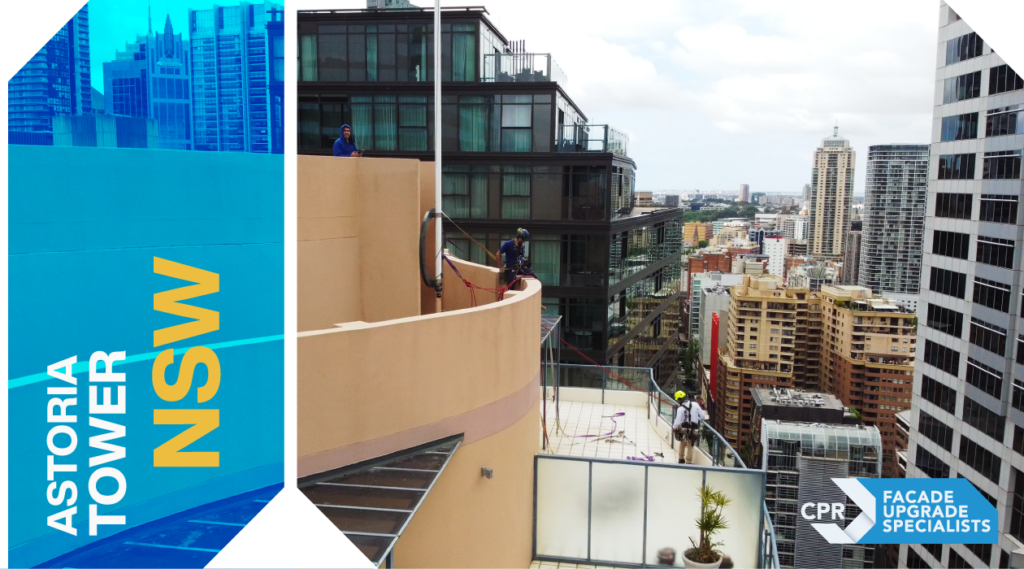
Scaffold-Free™ Inspections: A Smarter Cost Structure
Scaffold-Free™ access fundamentally changes inspection economics.
By removing the need for temporary scaffolding:
- Setup times are reduced
- Resident disruption is minimised
- Overall inspection cost is controlled
Combined with AIMMS™, this approach ensures inspections are not only more affordable, but significantly more accurate — which means for you fewer follow-up costs and stronger long-term outcomes.
Long-Term Value vs Short-Term Inspection Pricing
Strata committees often feel pressure to minimise upfront costs. But buildings are long-term assets.
An inspection that feeds into AssetCare™ planning supports:
- Multi-decade maintenance strategies
- Staged remediation instead of emergency works
- Reduced total cost of ownership
This long-term view transforms inspections from a cost into a strategic safeguard — which means for you sustainable budgets and genuine peace of mind.
Who Benefits Most from a Data-Driven Inspection Approach?
Strata Committees
You gain reassurance that decisions are based on facts, not assumptions — which means fewer complaints, fewer levies, and greater confidence.
Building Managers
You gain defensible documentation and reduced disruption — which means smoother project delivery and fewer resident issues.
Consultants and Engineers
You gain precise, quantifiable data — which means better scoping, reduced risk, and stronger technical outcomes.
Choosing the Right Inspection Partner
When evaluating building inspection costs, ask:
- Does the inspection method allow close-up access to all façade areas?
- Is the data transparent, traceable, and defensible?
- Will the report support long-term decision-making?
An inspection built on Scaffold-Free™ access and AIMMS™ answers all three — which means for you certainty instead of guesswork.
Next Steps: Turn Inspection Cost into Confidence
At its core, the right inspection delivers three outcomes: controlled cost, technical certainty, and lasting peace of mind — so decisions are clear, defensible, and stress-free.
If you’re assessing building inspection cost in Australia, focus on three outcomes: cost certainty, technical confidence, and long-term peace of mind.
Book a consultation, request an AIMMS™ demonstration, or explore how a Scaffold-Free™ inspection can reduce risk, control long-term costs, and protect your building for decades through a dedicated Building Facade Inspection consultation.