How to repair concrete that is crumbling is one of the most common and worrying questions strata committees, building managers, and consultants face when managing ageing buildings. When concrete starts to crumble, spall, or delaminate, it rarely feels like a small issue — it feels like the start of a financial and safety nightmare.
If you’re responsible for a strata or high‑rise building, you’re probably asking the same questions we hear every week: How serious is this? Can it be fixed without blowing the budget? How disruptive will repairs be? And how do we know we’re not being oversold?
This guide answers those questions clearly and honestly. We’ll explain the causes of crumbling concrete, the right concrete repair methods, when repair is appropriate versus replacement, and how modern Scaffold‑Free™ remediation combined with AIMMS™ delivers safer, more affordable, and longer‑lasting outcomes for high‑rise and difficult‑access buildings.
Why crumbling concrete is such a big concern in strata and high‑rise buildings
Concrete rarely fails overnight. What looks like minor surface damage is often the visible symptom of deeper deterioration within the building envelope.
For strata committees, the fear is understandable:
- Unexpected special levies
- Safety risks to residents and the public
- Ongoing complaints and liability exposure
- Repairs that fail again in a few years
For building managers and consultants, the concern is different but just as serious:
- Managing risk, compliance, and safety
- Minimising disruption to occupants
- Delivering technically sound, defensible solutions
Crumbling concrete, if left untreated, escalates quickly — and costs rise exponentially the longer it’s ignored.
Causes of crumbling concrete in existing buildings
Understanding the causes of crumbling concrete is the first step toward choosing the right solution.
Carbonation and steel reinforcement corrosion
In older buildings, carbon dioxide penetrates the concrete and lowers its alkalinity. This allows embedded steel reinforcement to corrode, expand, and crack the surrounding concrete.
Which means for you… the damage is structural, not cosmetic, and patch‑only fixes will not last.
Water ingress and poor waterproofing
Ongoing moisture penetration accelerates corrosion and leads to concrete spalling repair issues across balconies, slab edges, and façades.
Which means for you… unless water ingress is addressed alongside repairs, deterioration will continue beneath the surface.
Poor original construction or materials
Inadequate cover to reinforcement, poor compaction, or low‑quality concrete mixes were common decades ago.
Which means for you… many buildings are now reaching the point where systematic concrete surface repair is unavoidable.
Environmental exposure
Coastal environments, pollution, and thermal movement place constant stress on exposed concrete elements.
Which means for you… deterioration often appears first on façades and high‑risk, difficult‑access areas.
Early warning signs of deteriorating concrete repair needs
Recognising early signs allows for targeted, affordable intervention rather than large‑scale remediation.
Common indicators include:
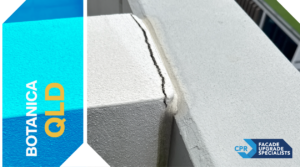
- Cracking and delamination
- Rust staining bleeding through concrete
- Spalling or flaking concrete surfaces
- Hollow‑sounding concrete when tapped
- Water staining around slab edges and façades
Which means for you… early action can reduce overall repair scope and deliver significant cost savings.
How to repair crumbling concrete: proven repair methods explained
When clients ask us how to repair crumbling concrete, the honest answer is: it depends on the cause, extent, and access constraints.
Step 1: Accurate diagnosis before any repair work
Effective repairing damaged concrete always starts with proper investigation. Guesswork leads to failed repairs.
Using AIMMS™, CPR creates a precise, data‑driven understanding of:
- Defect type and severity
- Repair quantities
- Risk areas
- Long‑term performance requirements
Which means for you… no vague scopes, no inflated allowances, and no nasty surprises mid‑project.
Step 2: Concrete removal and preparation
All unsound concrete must be carefully removed back to a stable substrate. Partial removal is one of the most common reasons concrete patching for crumbling concrete fails.
Which means for you… repairs bond properly and last decades, not years.
Step 3: Reinforcement treatment
Exposed steel is cleaned, treated, or replaced as required to halt corrosion.
Which means for you… the root cause of concrete spalling repair is addressed, not hidden.
Step 4: Reinstatement with compatible repair mortars
Specialised concrete repair products for crumbling concrete are selected based on exposure, movement, and structural requirements.
Which means for you… repairs integrate seamlessly with existing concrete and perform under real conditions.
Step 5: Protective coatings and waterproofing
High‑performance coatings extend the life of repairs and slow future deterioration.
Which means for you… long‑term durability and reduced lifecycle costs.
Crumbling concrete foundation repair vs façade repairs
Not all concrete deterioration carries the same risk.
- Crumbling concrete foundation repair is structural and often urgent.
- Façade and balcony repairs, while highly visible, can often be staged and prioritised strategically.
Which means for you… a staged, risk‑based approach prevents unnecessary over‑spending.
DIY concrete repair: where it ends and risk begins
DIY concrete repair is suitable only for small, non‑structural defects in low‑risk areas.
For strata and high‑rise buildings, DIY approaches typically:
- Fail to address reinforcement corrosion
- Void warranties and insurance
- Create liability exposure
Which means for you… professional remediation is not a luxury — it’s a risk management necessity.
When to replace vs repair crumbling concrete
This is one of the most important decisions owners face.
Repair is appropriate when:
- Deterioration is localised
- Structural capacity remains intact
- Water ingress is controllable
Replacement may be required when:
- Reinforcement loss is extensive
- Concrete strength is compromised
- Repeated repairs have failed
Which means for you… accurate data from AIMMS™ prevents unnecessary replacement and protects capital reserves.
Why Scaffold‑Free™ remediation changes the equation
Traditional scaffolding inflates costs, extends timelines, and disrupts residents.
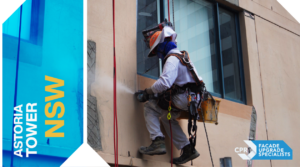
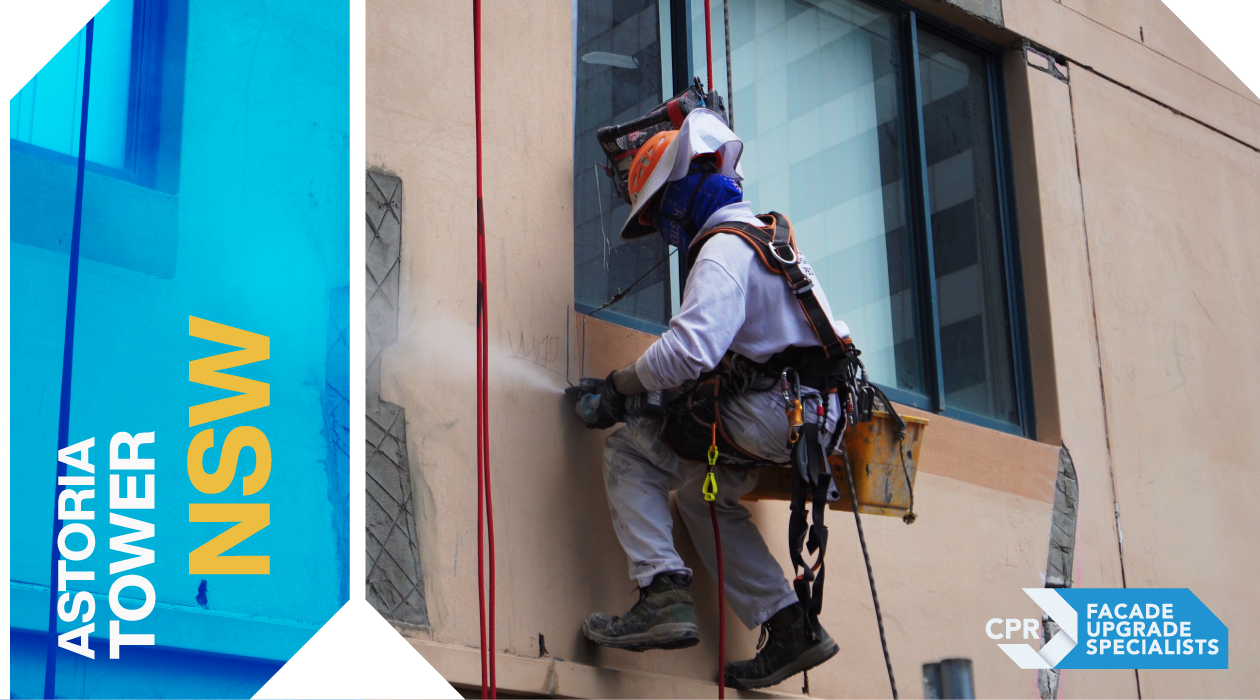
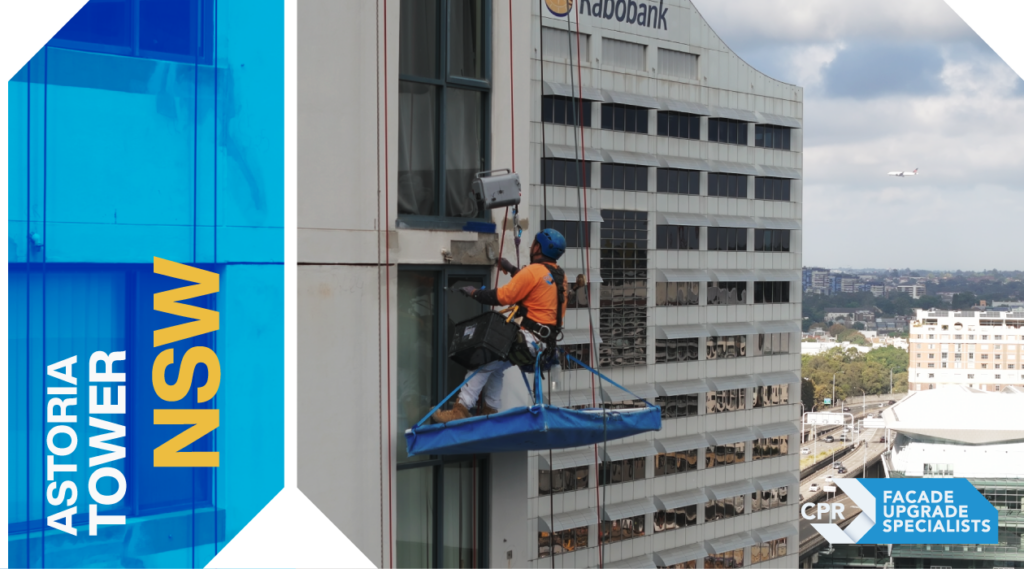
CPR’s Scaffold‑Free™ systems — including MARS™, PEARS®, and SkyPod® — allow full concrete repair works to be completed externally.
Which means for you…
- Up to 30% cost savings by eliminating scaffolding
- Faster project completion
- Minimal disruption to occupants
- Improved safety and access precision
Transparency, proof, and peace of mind with AIMMS™
Every repair is documented within AIMMS™, creating a permanent digital record of:
- Scope
- Before‑and‑after evidence
- Repair locations and quantities
Which means for you… complete transparency, defensible decisions, and confidence when presenting to committees or consultants.
Long‑term value through AssetCare™
Concrete repair is not a one‑off event. Ongoing preservation is what protects value.
AssetCare™ provides structured maintenance planning to extend repair life across multiple decades.
Which means for you… predictable budgeting, reduced emergency works, and long‑term asset protection.
Real‑world results you can trust
CPR has delivered hundreds of major remediation projects across strata, commercial, government, and heritage buildings — supported by awards, case studies, and video testimonials.
Which means for you… proven outcomes, not promises.
Take the next step with confidence
If your building is showing signs of concrete deterioration, the smartest next step is clarity — not guesswork.
Book a consultation, request an AIMMS™ demo, or explore our concrete remediation solutions here