
How to stop water ingress through brickwork is one of the most common and most stressful questions strata committees, building managers, and consultants face when leaks start appearing inside apartments or common areas.
If you are dealing with water ingress through brickwork, you are not alone. Brickwork water penetration is one of the leading causes of long-term structural damage, mould complaints, rising maintenance costs, and resident frustration across Australia’s ageing strata and high-rise buildings.
And here is the uncomfortable truth: ignoring the early signs or applying short-term fixes almost always leads to higher costs, greater disruption, and far more complex remediation down the track.
This guide explains how to stop water ingress through brickwork properly. Not just temporarily. Not cosmetically. But in a way that protects your building envelope for decades.
Why Water Ingress Through Brickwork Is Such a Serious Issue
Water ingress is rarely just a leak. It is a symptom of a deeper failure within the building envelope.
When rain penetration through brick walls occurs, moisture does not simply evaporate. It travels.
It migrates through mortar joints, cavities, fixings, slab edges, and interfaces. Over time, this creates:
- Persistent brick wall water leaks
- Damp brickwork repair issues spreading floor to floor
- Brickwork moisture problems inside apartments
- Corrosion of embedded steel and ties
- Concrete cancer triggered behind the facade
- Rising insurance claims and resident complaints
Which means for you… what starts as a minor stain can quickly become a multi-million-dollar remediation project if not addressed correctly.
Common Causes of Water Ingress in Brickwork
Understanding the causes of water ingress in brickwork is the first step toward stopping it permanently.
Porous and Ageing Brickwork
Most brickwork is not waterproof. Over time, UV exposure, pollution, and weathering increase porosity.
Treating porous brickwork without addressing its root condition simply masks the problem.
Which means for you… surface coatings alone rarely solve brickwork water penetration long term.
Failed or Degraded Mortar Joints
Mortar is the weakest element in brick walls by design. Once it cracks, shrinks, or erodes, water finds a direct pathway into the wall system.
This is one of the most common sources of masonry water ingress prevention failures.
Cavity Bridging and Poor Drainage
Brick veneer and cavity wall systems rely on clear cavities and functional weepholes.
Blocked cavities allow water to bridge across to internal linings, causing moisture condensation in building walls and ongoing leaks.
Failed Flashings and Interfaces
Balconies, windows, slab edges, and penetrations are high-risk zones.
When these interfaces fail, external wall water ingress solutions must address multiple systems at once.
Which means for you… isolated repairs often fail because water rarely enters at the visible damage point.
Why DIY or Patch Repairs Rarely Work
Many buildings attempt quick fixes such as:
- Repainting internal walls
- Applying sealants over cracks
- Installing moisture absorbers
- Localised brick wall sealing methods
These approaches treat symptoms, not causes.
Water continues to travel behind the facade, often reappearing months later in a different apartment.
Which means for you… repeated call-outs, frustrated residents, and growing distrust from owners.
How to Stop Water Ingress in Walls the Right Way
Stopping water ingress permanently requires a systematic, facade-wide approach.
Step 1: Accurate Diagnosis Using AIMMS™
CPR begins every remediation with AIMMS™, our proprietary diagnostic and quality assurance system.
AIMMS™ creates a complete, traceable record of:
- Brickwork water penetration pathways
- Mortar and joint degradation
- Failed waterproofing interfaces
- High-risk facade zones by elevation and severity
Which means for you… no guessing, no over-scoping, and no nasty surprises halfway through the project.
Step 2: Scaffold-Free™ Access to Every Square Metre
Traditional scaffolding limits access and inflates costs.
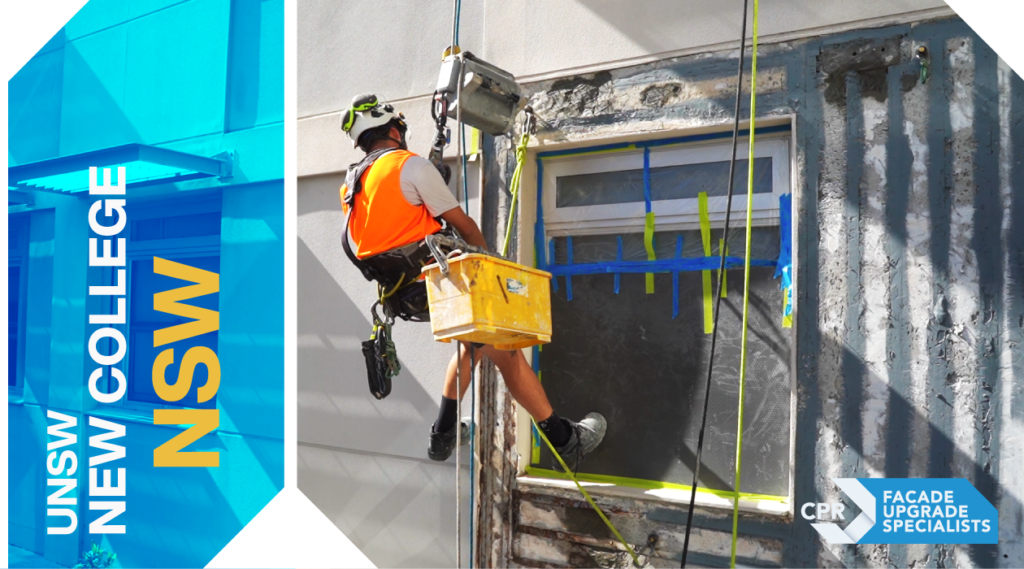
CPR’s Scaffold-Free™ systems using MARS™, PEARS®, and SkyPod® allow close-contact remediation across the entire facade.
Which means for you… full access with up to 30% cost savings and significantly less disruption to residents and businesses.
Step 3: Treating Brickwork Holistically
Effective waterproofing brick walls is never a single product solution.
It involves:
- Repointing failed mortar joints
- Repairing cracks and movement joints
- Restoring cavity drainage paths
- Applying breathable masonry water ingress prevention systems
Which means for you… moisture can escape, but rain stays out.
Exterior Wall Damp Proofing That Actually Lasts
Exterior wall damp proofing must balance water resistance with vapour permeability.
Non-breathable coatings trap moisture inside walls, accelerating decay.
CPR specifies facade treatments based on:
- Brick type and porosity
- Exposure zone and orientation
- Building age and construction method
- Long-term performance data
Which means for you… solutions designed to perform for decades, not seasons.
Damp Brickwork Repair Without Resident Disruption
One of the biggest fears strata committees face is disruption.
Noise. Dust. Privacy invasion. Access into apartments.
CPR’s SkyPod® encapsulated workstations allow damp brickwork repair to be completed externally.
Which means for you… residents stay inside, businesses keep trading, and complaints drop dramatically.
Preventing Water Penetration in Brick Walls Long-Term
True prevention does not end when the last repair is completed.
Ongoing Protection with AssetCare™
CPR offers AssetCare™, a long-term facade preservation strategy.
This includes:
- Scheduled inspections
- Preventative treatments
- Early defect intervention
Which means for you… predictable budgeting and avoided emergency repairs.
Proof That This Approach Works
CPR has delivered remediation projects across Australia’s most complex strata, commercial, government, and heritage buildings.
- Award-winning facade upgrades
- Multi-decade performance warranties
- Video testimonials from strata committees
- Demonstrated cost savings compared to scaffold-based remediation
Which means for you… confidence backed by evidence, not promises.
When Should You Act?
If you are seeing:
- Internal damp patches
- Efflorescence on brickwork
- Persistent leaks after rain
- Rising insurance claims
The time to act is now.
Delaying water ingress remediation almost always multiplies costs.
Book a Water Ingress Consultation
If you want to understand how to stop water ingress through brickwork properly, CPR can help.
You can:
- Book a facade consultation
- Request an AIMMS™ demonstration
- Download our waterproofing and water-tightness resources
Which means for you… clarity, control, and long-term peace of mind.