Magnesite Decay

Magnesite Flooring Problems in High‑Rise Buildings

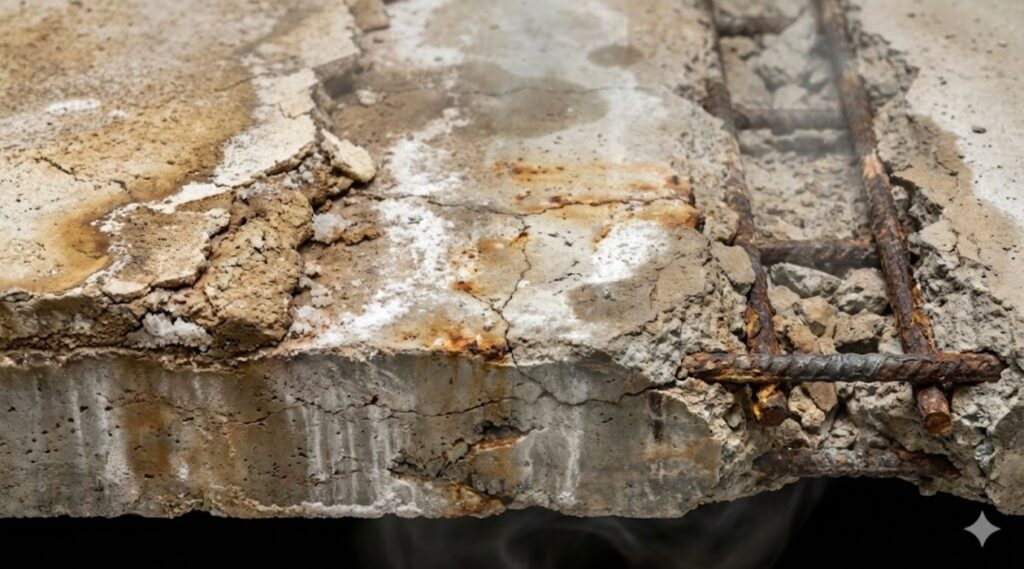
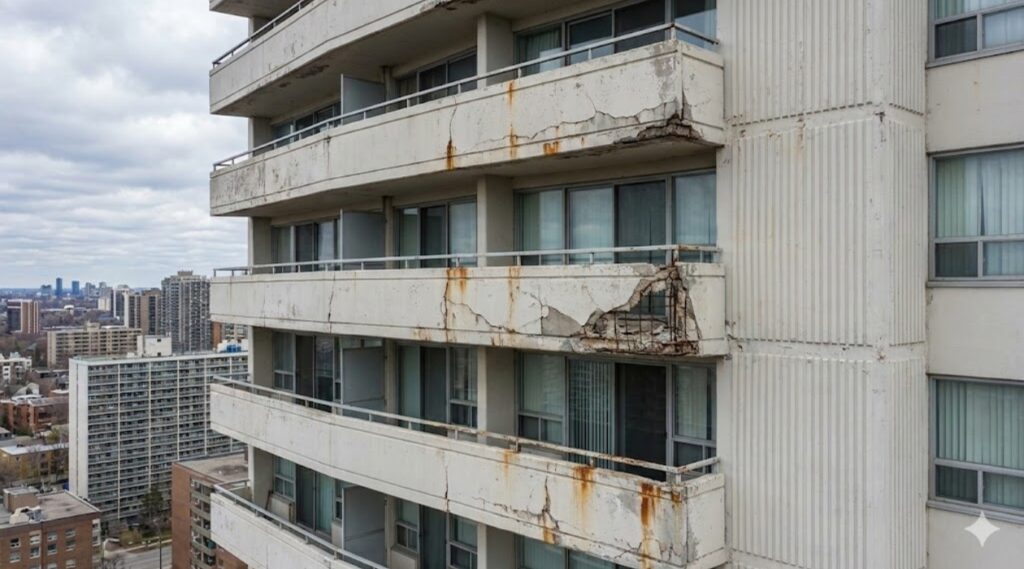
Magnesite flooring was widely installed in high‑rise apartments from the 1960s to the early 2000s. Today, it is one of the most significant hidden risks inside Australian strata buildings. As magnesite breaks down, it releases moisture and chlorides that attack the concrete slab beneath—causing reinforcement corrosion, concrete cancer, and long‑term structural defects.

For strata committees, building managers, and owners, understanding and addressing magnesite decay is critical to avoiding costly slab repairs and compliance risks.

CPR specialises in diagnosing, removing, and remediating magnesite‑affected slabs in difficult‑access and high‑density buildings, ensuring long‑term structural protection using our Scaffold‑Free™ systems and engineered repair methodologies.

What Is the
Magnesite Problem?

Magnesite flooring was originally used as a topping compound to level concrete slabs. Over time, exposure to moisture causes magnesite to break down into salts. These salts penetrate the concrete, accelerating deterioration.

Common magnesite flooring problems include:

  • Moisture‑activated decay
  • Salt release that corrodes reinforcement
  • Slab discolouration and odours
  • Weakening of the concrete surface
  • Hidden concrete cancer development

These magnesite flooring issues remain one of the most common internal defects found during strata inspections across NSW.

Why Magnesite Floors
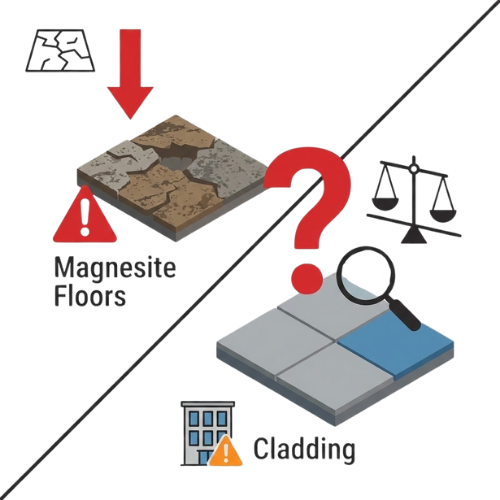
May Be a Bigger Problem Than Cladding

While combustible cladding often receives media attention, magnesite can be a far greater long‑term structural threat. Why?

  • Cladding affects fire performance.
  • Magnesite affects the load‑bearing structural slab itself.

If left untreated, magnesite decay can trigger extensive concrete slab corrosion, structural instability, and multi‑million‑dollar remediation works.

This makes it one of the leading contributors to high‑rise building defects and long‑term liabilities for strata schemes.

How Magnesite Decay Leads to Major Building Issues

As magnesite absorbs moisture, it forms chlorides that attack the reinforcing steel inside the slab. This results in:

  • Reinforcement corrosion
  • Concrete cancer
  • Delamination and spalling
  • Moisture damage in slabs
  • Structural defects that worsen over time

These issues often remain hidden under carpet or flooring until serious deterioration occurs.

Protect Your Building
From Magnesite‑Related Damage

If your apartment building was constructed between the 1960s and early 2000s, there is a high chance magnesite flooring was installed. Early detection prevents structural deterioration and reduces future repair costs.

Explore our full suite of facade remediation and preservation services or learn more about our engineered concrete durability repair treatments