Reinforcement Corrosion in High‑Rise Buildings

Reinforcement Corrosion in High‑Rise Buildings

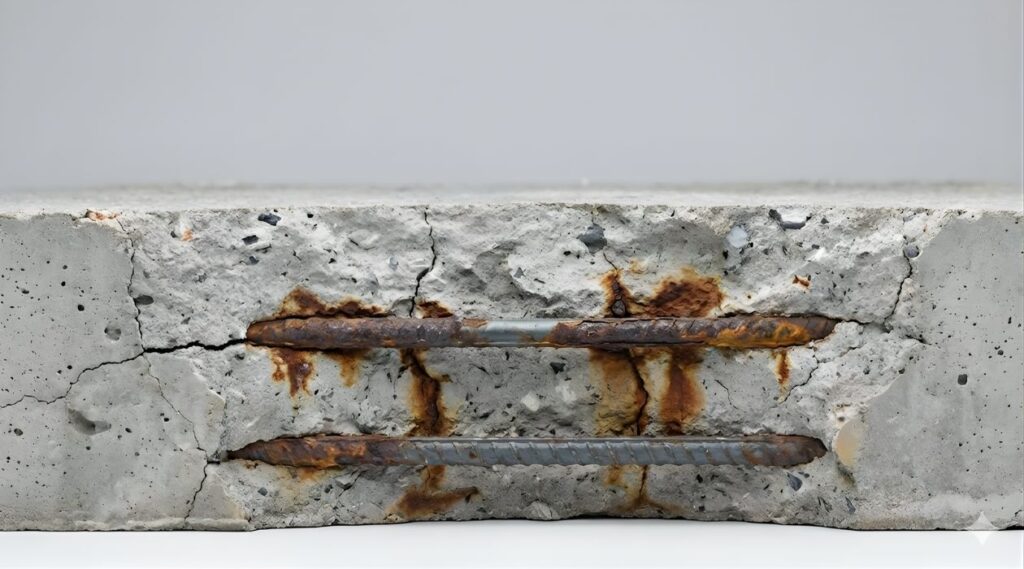
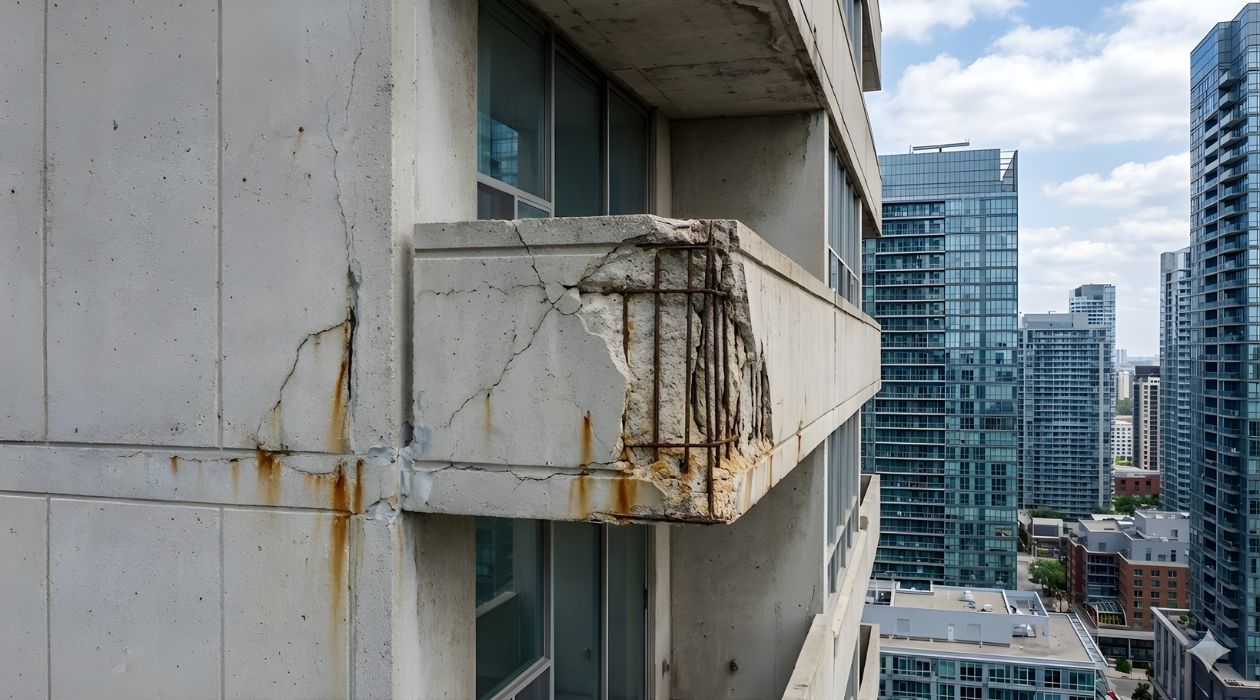
Reinforcement corrosion is one of the most serious structural threats affecting ageing high‑rise buildings across New South Wales. When steel reinforcement inside concrete begins to rust, it expands, cracks the concrete, and compromises the strength of slabs, balconies, beams, and façade elements. Left untreated, this deterioration accelerates rapidly.

At CPR, we specialise in diagnosing and repairing corrosion in reinforced concrete across difficult‑access buildings using our Scaffold‑Free™ systems. Our inspection and remediation approach combines rope‑based access, detailed grid mapping, and long‑term preservation treatments to restore safety and structural integrity.

What Causes Reinforcement Corrosion

Corrosion in reinforced concrete occurs when water, oxygen, or chlorides penetrate the concrete cover and reach the embedded steel. Once the protective alkaline environment of the concrete is reduced, the steel begins to rust.

Common triggers include:

  • Carbonation of concrete
  • Chloride contamination in coastal environments
  • Cracks that allow moisture ingress
  • Ageing waterproofing membranes
  • Poor construction or insufficient concrete cover

Understanding the corrosion of reinforcement in concrete helps strata committees and building managers identify risks before major structural issues develop.

How Corrosion Affects Reinforced Concrete

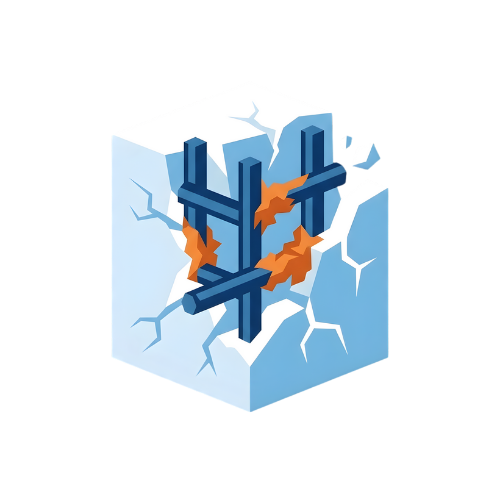
Once corrosion begins, the steel reinforcement expands up to seven times its original thickness, creating internal pressure.

This results in:

  • Concrete cracking and delamination
  • Spalling and exposed reinforcement
  • Reduced load‑bearing strength
  • Water pathways that accelerate future corrosion


The affect of steel corrosion on reinforced concrete can be extremely costly if repairs are delayed—even small defects often mask deeper structural deterioration.

CPR’s Diagnostic Process for Reinforcement Corrosion

Our inspection methodology is designed specifically for high‑rise, difficult‑access façades. Using rope access, our team performs close‑up assessments that traditional ground inspections simply cannot achieve.

Our process includes:

  • Grid‑based mapping of every façade zone
  • Close‑range identification of cracked, delaminated, or spalled concrete
  • Photographic evidence of corroded reinforcement
  • Moisture tracking and analysis of corrosion pathways

This detailed approach allows us to plan accurate, long‑lasting strategies for how to prevent corrosion in reinforced concrete and protect the building as a whole.

Other Industries We Also Serve

Strata

Government

Heritage

Industrial

Protect the Steel
Framework of Your Building

If you’ve noticed rust stains, cracking, or exposed reinforcement, the damage is likely more extensive beneath the surface. Addressing corrosion early is essential to maintaining safety, aesthetics, and long‑term structural integrity.

Explore our specialised facade remediation and preservation services or learn about our dedicated concrete repair durability methods.