Step-by-Step Concrete Crack Repair Using Bunnings Materials (Beginner Friendly) is one of the simplest ways for owners, strata committees, and building managers to take early action before cracks evolve into concrete cancer—an issue that becomes significantly more complex and expensive if ignored. And while DIY concrete crack repair using Bunnings materials is appropriate only for minor, non-structural cracks, understanding the correct process empowers you to maintain your asset while avoiding unnecessary stress, disruption, and cost blowouts.
At CPR Facade Upgrades, we meet many owners and committees who worry that a small crack may already be a major structural problem. That fear is understandable—especially when the industry often lacks transparency. Our role is to simplify the process, offer clarity, and give you peace of mind. When a crack requires professional remediation, our Scaffold-Free™ methodology, SkyPod® workstations, and data-driven AIMMS™ inspections deliver accurate, long-term solutions that preserve value and reduce overall costs.
But for everyday minor cracks, here is a complete beginner-friendly guide using Bunnings concrete repair materials.
Understanding Concrete Cracks Before You Start
Before buying concrete crack fillers or repair products at Bunnings, it’s essential to understand the type of crack you’re dealing with. This protects you from choosing the wrong product—or trying to DIY something that actually needs professional assessment.
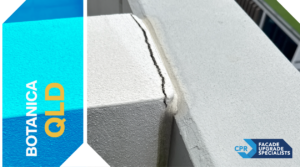
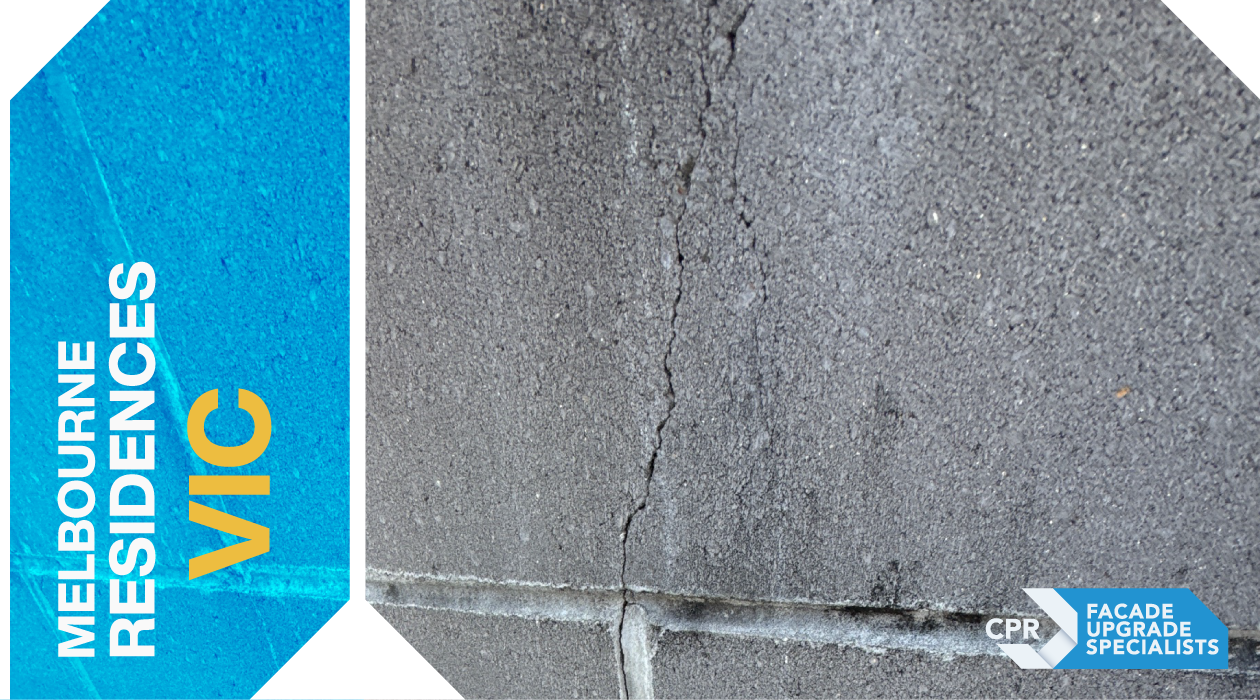
Hairline Cracks
Thin, shallow cracks caused by shrinkage, temperature shifts, or early surface wear.
- Usually safe for DIY repair.
- Best filled with flexible concrete crack filler from Bunnings.
Surface Cracks / Minor Pitting
Small depressions or slightly wider cracks.
- Suitable for concrete patching compounds.
Wider Cracks (3–6 mm)
Can indicate movement or early moisture penetration.
- Use heavy-duty patching mortar.
- If rust stains, bubbling, or delamination appear, contact CPR immediately—this may be concrete cancer.
Structural Cracks
If the slab is lifting, separating, or the crack is deep and expanding:
- Do not attempt DIY repair.
- Request an AIMMS™ data-capture inspection for precise mapping and long-term remediation.
This segmentation is essential for decision-making and aligns with CPR’s commitment to clarity and transparency.
Materials You Can Buy at Bunnings for Concrete Crack Repair
Bunnings offers a wide range of concrete crack repair materials ideal for outdoor concrete crack repair, driveways, walkways, retaining walls, and exposed slab edges.
Recommended Bunnings Products
- Concrete crack filler (Selleys, Dunlop, Parfix)
- Rapid-set repair mortar
- Concrete patching compound
- Concrete resurfacer (for larger cosmetic repairs)
- Bonding agent / primer
- Filling gun
- Wire brush, stiff broom
- Angle grinder (if widening cracks is required)
Using the right product is one of the simplest ways to ensure a durable result.
Step-by-Step Concrete Crack Repair Using Bunnings Materials
Here is the complete, beginner-friendly guide.
Step 1: Clean the Crack Thoroughly (Most People Skip This!)
Even the best concrete crack filler from Bunnings will fail if dust or loose material is left inside the crack. Cleaning is essential.
How to Clean the Crack
- Remove debris using a wire brush.
- Vacuum the crack thoroughly.
- If the crack is deep, flush it with water and allow it to dry.
If moisture keeps returning or the concrete remains damp for days, this may indicate water ingress—an early red flag for concrete cancer.
Step 2: Widen the Crack Slightly (Optional but Recommended)
For hairline cracks, widening helps filler grip deeply.
How to Widen Safely
- Use an angle grinder with a diamond blade.
- Open the crack to at least 3 mm.
- Make sure edges are clean and stable.
If the concrete crumbles easily, that is a sign of underlying reinforcement corrosion. CPR’s SkyPod® teams frequently uncover this during facade remediation; if so, stop and seek a professional AIMMS™ assessment.
Step 3: Apply a Concrete Bonding Agent
Not mandatory—but recommended for longer-lasting results.
A bonding agent ensures:
- Strong adhesion
- Better durability
- Reduced chance of the crack re-opening
Apply with a brush and let it become tacky.
Step 4: Fill the Crack Using the Right Bunnings Product
This is where your primary repair happens.
Option A: Concrete Crack Filler (For Hairline & Small Cracks)
- Load filler into a caulking gun.
- Run a smooth bead along the crack.
- Use a scraper to level the surface.
- Allow it to cure as per product instructions.
Option B: Rapid-Set Mortar (For Wider Cracks)
- Mix mortar to a firm consistency.
- Push it deep into the crack using a trowel.
- Smooth the surface.
- Mist lightly with water if needed.
Option C: Concrete Patching Compound (For Surface Damage)
Ideal for repairing chipped edges, pitted concrete, and minor delamination.
Step 5: Cure the Repair Properly
Concrete repair products often fail because they weren’t cured properly.
Ensure You:
- Avoid walking on the area for the first 24 hours.
- Keep the repair moist (if using mortar).
- Protect from rain for 12–24 hours.
Curing is what gives strength.
Step 6: Resurface (Optional) for a Smooth, Fresh Finish
If your concrete driveway or walkway looks patchy after repairs, you can apply a resurfacer.
Bunnings resurfacing products provide:
- A clean, uniform finish
- Added protection from weather
- Improved long-term performance
This is ideal for:
- Driveways
- Balconies
- Pathways
- Car parks
When DIY Concrete Crack Repair Is Not Enough
DIY is suitable only for small cracks. But if you notice any of the following, it’s time to call CPR:
Warning Signs of Concrete Cancer:
- Rust stains
- Bubbling concrete (“concrete spalling”)
- Hollow sounds when tapped
- Cracking around windows
- Moisture coming through hairline cracks
- Concrete lifting or separating
These issues require professional remediation.
And this is where CPR provides unmatched certainty.
How CPR Delivers Long-Term Solutions Using Scaffold-Free™ Access
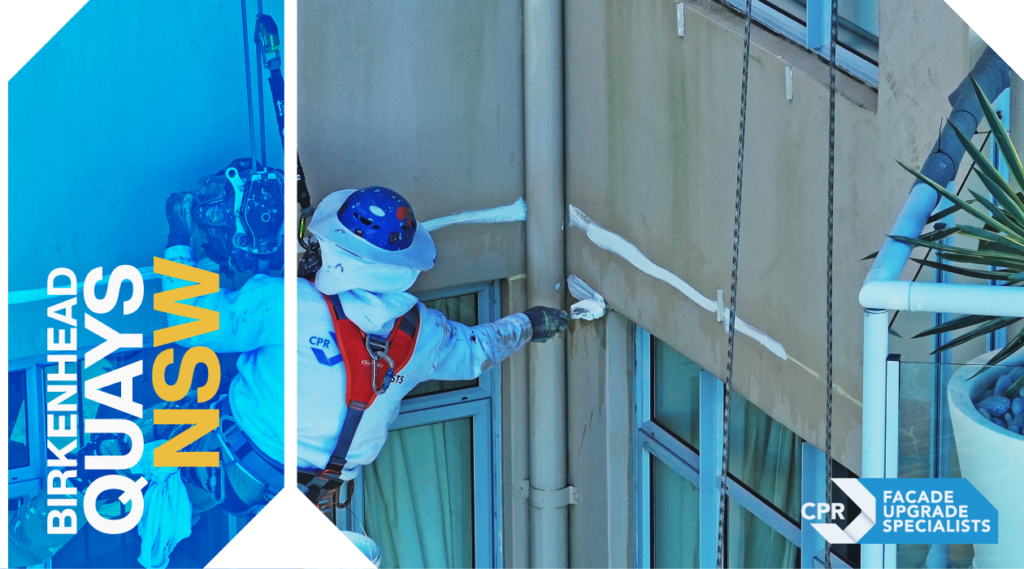
Unlike traditional contractors who rely on scaffolding, CPR uses:
- SkyPod® encapsulated workstations for safe, quiet, unobtrusive repairs
- MARS™ rope systems for navigating difficult-to-access facades
- PEARS® vertical movement systems for efficient material handling
- AIMMS™ (Advanced Inspection, Mapping & Management System) to create a precise digital twin of your building
AIMMS™ means for you:
- A data-rich record of every defect
- Transparent pricing with no guesswork
- Evidence of completed repairs
- Better long-term maintenance decisions
Our clients—especially strata committees—value AIMMS™ because it eliminates uncertainty and lets them make informed decisions confidently.
Why Strata Committees Trust CPR for Concrete Remediation
Strata owners often feel overwhelmed by large repairs. Many fear:
- Special levies
- Project cost blowouts
- Disruption to residents
- Contractors not delivering what they promised
CPR solves these concerns through:
- Affordable, scaffold-free access
- Data-backed assessments
- Quiet, unobtrusive operations
- Award-winning workmanship
- Long-term AssetCare™ maintenance
This assurance is impossible to achieve through DIY alone.
Ready to Go Beyond DIY? Book a Concrete Cancer Consultation
If your concrete cracks are minor, Bunnings materials will help you achieve a simple repair.
But if you see signs of deeper deterioration—or want complete peace of mind—our team is ready to help.
👉 Book a concrete cancer consultation
CPR provides certainty, transparency, safety, and long-term value—everything today’s strata committees and building managers need to protect their assets.