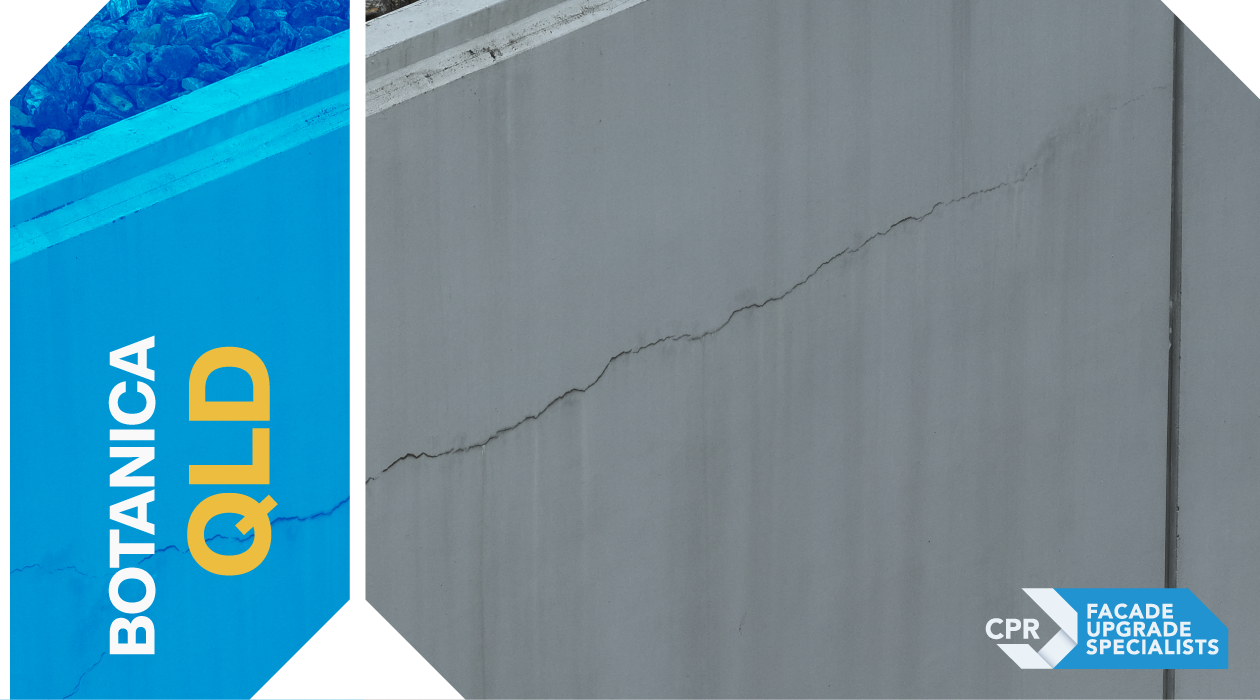
Concrete cracks are more than a cosmetic issue — they can be early warning signs of deeper structural concerns. And for strata committees, building managers, and consultants, the question “what are the best concrete crack repair materials?” is not just technical — it’s emotional. A crack can trigger worries about cost blowouts, resident complaints, and long-term safety.
At CPR Facade Upgrade Specialists, we see these concerns every day. Because we work exclusively on difficult-to-access façades using our patented Scaffold-Free™ systems (MARS™, PEARS®, SkyPod®), we understand the pressure decision-makers face. That’s why we combine physical innovation with AIMMS™ — our data-driven inspection and reporting system — to deliver precise diagnoses, correct repair methodologies, and long-term value.
Below is a comprehensive guide to the best concrete crack repair materials, written in a way that supports both the Trusted Neighbour voice for strata committees and the Confident Innovator tone required by building managers and consultants.
Understanding What Makes a “Best” Concrete Crack Repair Material
Choosing the right repair material is not about picking whatever sits on the shelf at a hardware store. The best materials are those that match the type of crack, the cause, the location, and the structural significance.
The wrong choice can lead to:
- Repeat repairs (and mounting costs)
- Water ingress and concrete cancer
- Liability risks
- Increased resident complaints
- Long-term deterioration of the façade
Thanks to AIMMS™, we quantify and classify each crack before recommending a repair method — which means for you a repair plan based on facts, not assumptions. fileciteturn0file2
The Best Concrete Crack Repair Materials (Ranked by Purpose, Durability, and Professional Use)
Below are the most reliable materials used in professional façade remediation. We explain their strengths, ideal applications, and how CPR applies them on high-rise, difficult-access buildings.
Epoxy Injection Resins (For Structural Reinforcement)
Best for: Structural cracks, foundation cracks, load‑bearing elements.
Epoxy remains the industry’s gold standard for structural concrete crack repair materials. It restores monolithic behaviour, meaning the concrete becomes one cohesive block again.
Why it’s considered the best:
- Exceptional tensile and bond strength
- Creates a long‑term, durable repair
- Resistant to chemicals and water ingress
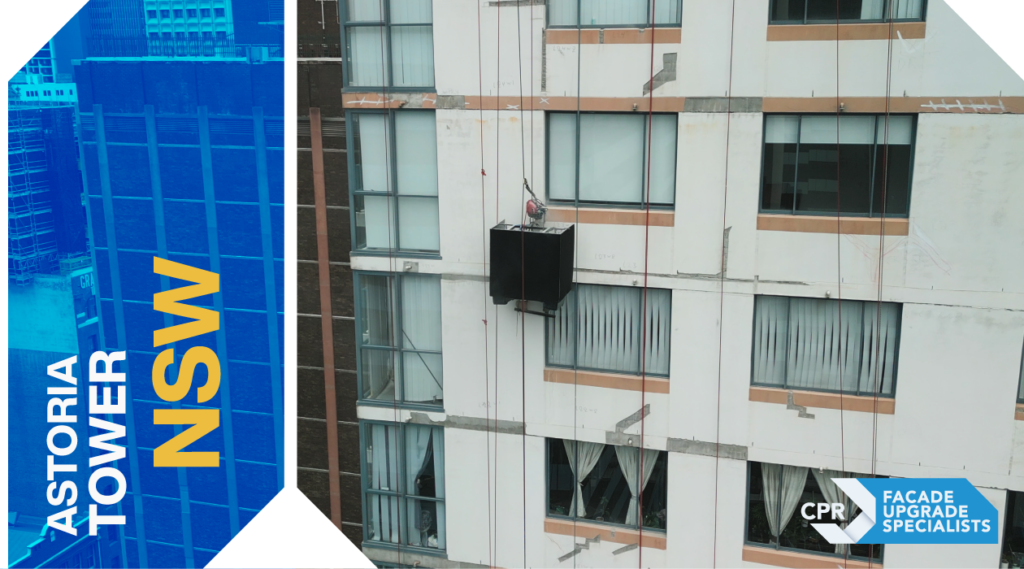
Why CPR chooses epoxy for structural cracks: AIMMS™ allows us to identify whether a crack is structural or cosmetic. When structural cracks are confirmed, epoxy injection is often mandated. Using SkyPod® workstations ensures controlled injection, safe containment of materials, and zero disturbance to residents.
Benefit to strata committees: safer building, fewer long‑term expenses.
Benefit to managers and consultants: compliant, defensible repair methodology supported by traceable AIMMS™ data.
Polyurethane (PU) Crack Injection (For Active Leaks and Moving Cracks)
Best for: Water ingress, dynamic cracks, damp basement walls.
Polyurethane foam expands upon contact with moisture, making it excellent for stopping leaks immediately.
Strengths:
- Fast‑setting
- Flexible — accommodates movement
- Highly effective for water ingress treatment
Why CPR uses PU for leaking cracks: When water ingress is involved, residents want immediate relief. PU provides that fast response, which means for you fewer emergency call‑outs and reduced risk of mould, damage, or insurance disputes.
Polymer‑Modified Repair Mortars (For Surface Cracks and Spalling)
Best for: Non‑structural cracks, patch repairs, concrete cancer remediation.
Polymer-modified repair mortars bond more strongly than traditional cement-based mixes.
Advantages:
- Superior adhesion
- Shrinkage control
- Improved durability and resistance to future cracking
Why CPR relies on polymer-modified mortars: They create a long-lasting patch with excellent compatibility to existing substrates, essential for façade longevity.
Cementitious Grouts (For Injection and Void Filling)
Best for: Large voids, honeycombing, and stabilising deteriorated concrete.
Modern cementitious grouts offer flowability and compressive strength ideal for structural remediation.
When CPR uses these materials:
- When concrete has internal voids
- When sections of the façade have lost structural cohesion
AIMMS™ helps us quantify void volume before specifying the correct grout formulation.
Crack Sealants (Silicone, Polyurethane, Hybrid) — For Surface-Level Flexibility
Best for: Cosmetic cracks or minor movement cracks not affecting structure.
Sealants are not structural, but they prevent moisture infiltration.
Benefits:
- Flexible
- Ideal for joints and exposed surfaces
- UV-resistant (depending on product)
Where CPR applies these: Balconies, parapets, expansion joints and areas prone to micro‑movement.
Fast-Setting Repair Materials (For Time-Sensitive Work)
Best for: High-traffic areas, car parks, loading docks, garage floors.
Fast-setting mortars and epoxies allow areas to reopen within hours.
Why strata committees value this: reduced downtime means fewer resident complaints.
Why building managers value this: compliance and safety risks are reduced quickly.
Eco-Friendly Concrete Crack Repair Materials
Strata owners are increasingly seeking sustainable alternatives.
Eco-friendly options include:
- Low-VOC crack fillers
- Cement blends with reduced carbon footprints
- Recycled aggregate repair mortars
When CPR uses them: When environmental compliance or sustainability targets form part of the project brief.
Comparing Material Types: Epoxy vs Polyurethane vs Mortar vs Sealant
AIMMS™ ensures the correct material is selected every time based on qualitative and quantitative data. fileciteturn0file3
How CPR Determines the Right Repair Material
1. AIMMS™ Digital Twin Assessment
We create a precise 3D digital model of your façade, mapping every crack, defect, and patch needed.
Which means for you:
- Transparent quantity reports
- Accurate repair specifications
- Fixed‑price quotes instead of estimates
2. Scaffold-Free™ Access Using MARS™, PEARS®, and SkyPod®
These systems allow us to perform repairs from the outside — entirely unobtrusively.
This gives strata committees: peace of mind and no resident disruption.
This gives managers and consultants: safety compliance, clear reporting, and efficient workflows.
3. Accredited Service Partners™ Quality Assurance
Every repair is photographed and logged by drop, level, and patch number.
Which means for you: a permanent visual record — no disputes, no guesswork.
Recommended Concrete Crack Repair Materials for Different Situations
For Driveways and Car Parks
- Fast-setting mortars
- Polyurethane sealants
For Foundations
- Epoxy injection
- Cementitious grout
For Façade Cracks on High-Rise Buildings
- Polymer-modified mortar
- Epoxy resin (depending on structural diagnosis)
- Flexible sealants for non-structural cracks
For Garage Floors
- High-strength epoxy fillers
- Fast-setting concrete crack filler materials
For Eco-Focused Buildings
- Low-VOC sealants
- Sustainable mortar blends
Cost and Effectiveness: What Building Owners Should Know
Many decision-makers worry concrete repair will become a “money pit.” AIMMS™ eliminates uncertainty by revealing exactly:
- What needs repairing
- What materials are required
- How much each repair will cost
- How long repairs will last
Using the right material dramatically affects lifespan:
- Sealant repairs → 3–7 years
- Polymer mortars → 10–15 years
- Epoxy structural repairs → 20+ years
Peace of mind comes from choosing materials based on evidence — not assumptions.
Why CPR Should Be Your Partner for Concrete Crack Repairs
Whether you’re a strata committee looking for reassurance, or a building manager needing data-driven accuracy, CPR offers something rare: certainty.
We deliver:
- Scaffold-Free™ efficiency
- AIMMS™ digital transparency
- Long-term durability
- Award-winning workmanship
- Multi-decade solutions
- Zero intrusion into residents’ living spaces
And with AssetCare™, we can maintain your façade for years to come — protecting your investment.
Ready for a transparent, cost-efficient, long-lasting concrete repair strategy?