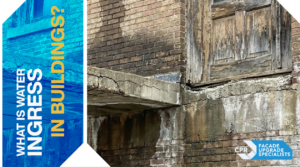
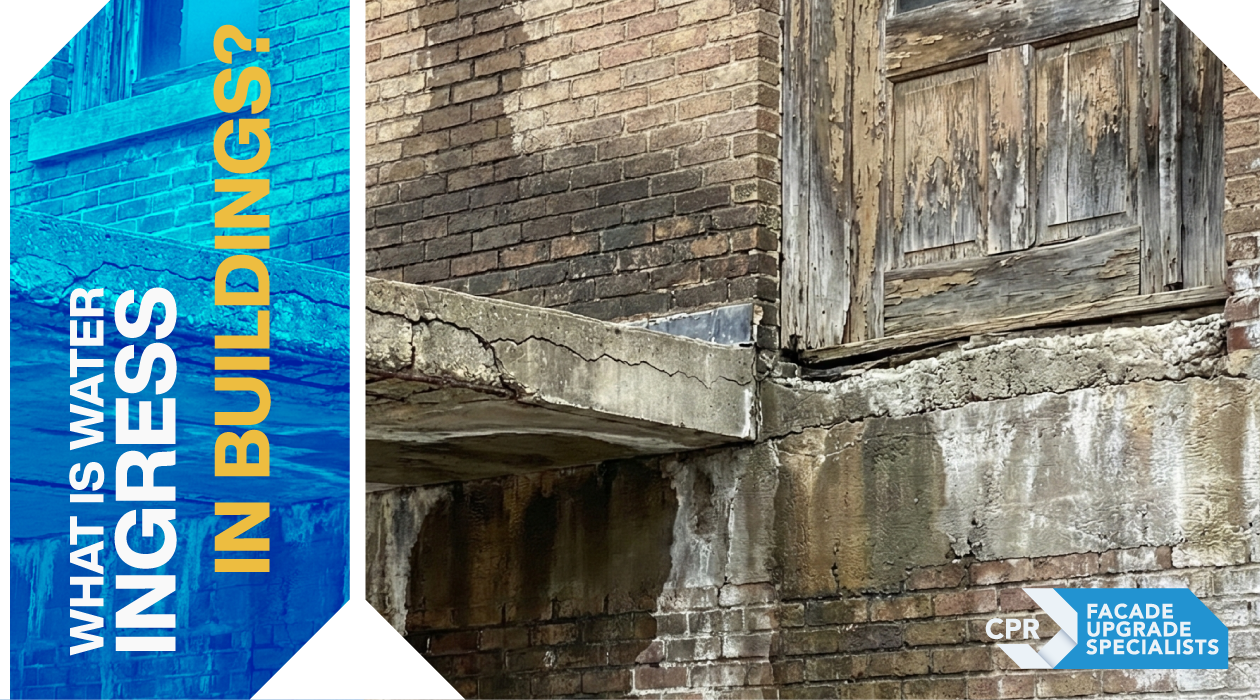
What is water ingress in buildings, why it happens, and why ignoring it is one of the most expensive mistakes strata owners and building managers can make.
Water ingress in buildings is one of those problems that often starts quietly — a stain on a ceiling, a musty smell in a hallway, a complaint about damp carpet — but escalates into structural damage, rising insurance premiums, and serious safety concerns if left untreated.
If you’re part of a strata committee, a building manager, or a consultant responsible for an ageing or high‑rise building, you’re not alone. Many committees delay action because of fear: fear of cost blowouts, fear of disruption, fear of choosing the wrong contractor. That hesitation is completely understandable. But when it comes to water ingress in buildings, delay is usually the most expensive option.
This guide explains exactly what water ingress is, how it differs from condensation, the real causes behind it, and how modern Scaffold‑Free™, data‑driven remediation — backed by AIMMS™ — delivers long‑term certainty rather than temporary fixes.
What Is Water Ingress in Buildings?
Water ingress in buildings refers to uncontrolled water infiltration through the building envelope. This includes roofs, walls, balconies, basements, joints, membranes, and service penetrations.
Unlike surface leaks, water ingress is often hidden. Moisture penetration can travel through concrete, masonry, and insulation before becoming visible inside apartments or common areas. By the time it appears, building water damage may already be advanced.
Water ingress is not a cosmetic issue. It is a building‑wide performance failure that affects:
- Structural integrity
- Fire and electrical safety
- Indoor air quality
- Asset value
- Long‑term maintenance budgets
Which means for you: what looks like a small leak today can become a multi‑million‑dollar remediation tomorrow.
Why Water Ingress Is a Growing Problem in Australian Buildings
Across Australia, water ingress is now one of the most common causes of strata disputes and insurance claims. Ageing building stock, complex façade designs, and historical construction methods have created perfect conditions for long‑term moisture penetration.
Key contributing factors include:
- Buildings reaching 20–40 years of age
- Failed waterproofing membranes
- Balcony and façade detailing from past design eras
- Deferred maintenance
- Reactive (rather than preventative) repair strategies
Which means for you: many buildings are not failing suddenly — they are failing slowly, invisibly, and predictably.
Common Causes of Water Ingress in Buildings
Understanding the causes of water ingress is essential for choosing the right remediation strategy. Treating symptoms without addressing root causes leads to repeat failures.
Roof Leaks
Roof leaks are one of the most common entry points for water infiltration. Failed membranes, cracked flashings, blocked drainage, and ageing roof penetrations allow water to enter and spread laterally through slabs and walls.
Which means for you: roof leaks rarely stay confined to the roof — they migrate through the structure.
Wall Water Penetration
Wall water penetration occurs when façades lose their ability to shed water. Cracked render, failed joints, deteriorated sealants, and porous masonry allow moisture to enter the building envelope.
Which means for you: façade leaks often affect multiple apartments, not just one.
Balcony and Podium Failures
Balconies are high‑risk zones for moisture penetration. Failed membranes beneath tiles, inadequate falls, and poor detailing at balustrade fixings frequently cause long‑term damp problems in buildings.
Which means for you: balcony leaks often require external access and specialist remediation — not internal patching.
Basement Water Ingress
Basement water ingress is caused by hydrostatic pressure, failed tanking systems, and drainage issues. Once water penetrates basement walls, it can compromise structural elements and services.
Which means for you: basement water ingress threatens both safety and compliance.
Construction Joints and Penetrations
Movement joints, service penetrations, and interface points are natural weak spots. When sealants age or fail, water infiltration follows predictable paths.
Which means for you: joint failure is inevitable without long‑term maintenance planning.
Signs of Water Ingress You Should Never Ignore
Recognising the signs of water ingress early can dramatically reduce repair costs.
Common indicators include:
- Staining on ceilings or walls
- Peeling paint or blistering finishes
- Damp or musty odours
- Mould growth
- Efflorescence (white salts on masonry)
- Cracking near wet areas
- Rust staining from embedded steel
Which means for you: visible damage is usually the final stage of a much larger hidden problem.
Condensation vs Water Ingress: Why the Difference Matters
One of the most misunderstood issues is condensation vs water ingress.
Condensation occurs when warm, moist air meets a cold surface. Water ingress is external water penetrating the building envelope.
Misdiagnosis leads to:
- Wasted money on ventilation upgrades
- Continued moisture penetration
- Escalating structural water damage
Which means for you: accurate diagnosis is the foundation of cost control.
This is where AIMMS™ becomes critical.
How Water Ingress Causes Structural Water Damage
Unchecked moisture penetration triggers a chain reaction:
- Corrosion of steel reinforcement
- Concrete spalling
- Loss of load‑bearing capacity
- Electrical hazards
- Reduced fire resistance
Which means for you: water ingress is not a maintenance issue — it is a structural risk.
Why Traditional Repairs Fail
Many buildings cycle through repeated repairs without solving the underlying problem. Internal patching, sealant replacement without façade access, and isolated fixes rarely address the full water path.
Which means for you: short‑term repairs feel affordable — until they repeat every year.
The Role of AIMMS™ in Solving Water Ingress
AIMMS™ is CPR’s integrated inspection, diagnosis, and quality assurance system. It creates a complete, traceable understanding of how and where water infiltration is occurring.
AIMMS™ provides:
- Precise defect mapping
- Quantified scope of works
- Photographic evidence
- Transparent reporting
Which means for you: no guesswork, no surprises, no inflated scopes.
Why Scaffold‑Free™ Access Changes Everything
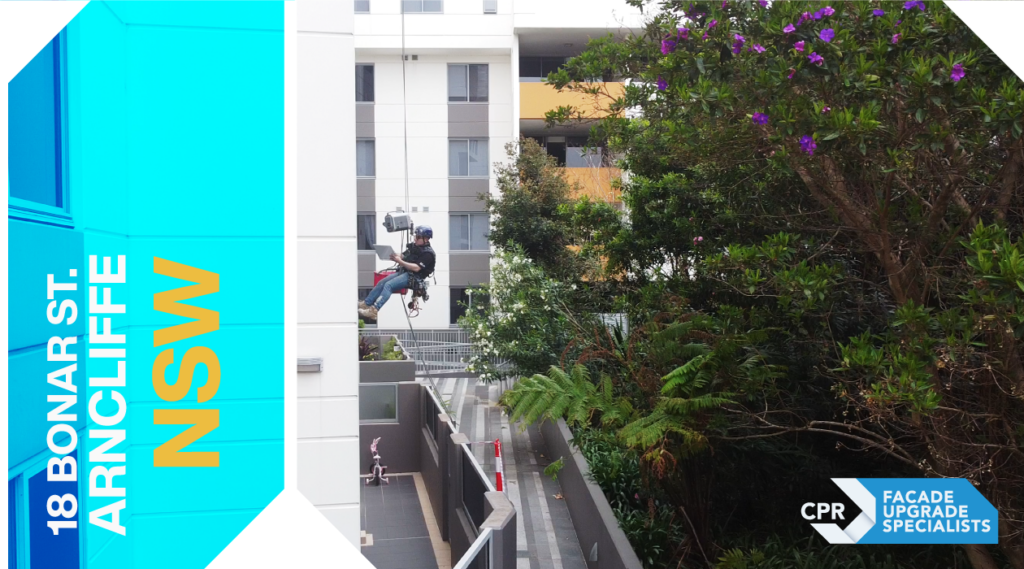
Traditional scaffolding adds cost, time, and disruption — often accounting for up to 30% of total project spend.
CPR’s Scaffold‑Free™ systems — including MARS™, PEARS®, and SkyPod® — allow full external remediation without scaffolding.
Which means for you:
- Up to 30% cost savings
- Faster project delivery
- Minimal disruption to residents
- Improved safety
Waterproofing Solutions That Actually Last
Effective waterproofing solutions must address the entire building envelope, not isolated leaks.
CPR’s approach combines:
- External remediation
- Façade preservation
- Long‑life materials
- Quality‑assured installation
Which means for you: multi‑decade performance, not temporary relief.
Prevention of Water Ingress Through Proactive Maintenance
The prevention of water ingress is far more affordable than reactive repair.
Planned inspection, façade maintenance, and early intervention stop minor defects from becoming major failures.
Which means for you: predictable budgets and protected asset value.
Why Strata Committees Choose CPR
Strata committees choose CPR because they need:
- Peace of mind
- Cost certainty
- Transparency
- Minimal disruption
Backed by awards, case studies, and video testimonials, CPR delivers proven results on complex, difficult‑to‑access buildings.
Why Building Managers and Consultants Trust CPR
For professionals, CPR delivers:
- Data‑driven scopes
- Defensible reporting
- Safer methodologies
- Reduced risk
Which means for you: projects that run smoothly, quietly, and on budget.
Take the Next Step
If your building is experiencing leaks, damp problems, or unexplained moisture, now is the time to act.
👉 Book a water ingress consultation
👉 Request an AIMMS™ demonstration
👉 Explore waterproofing and water‑tightness solutions